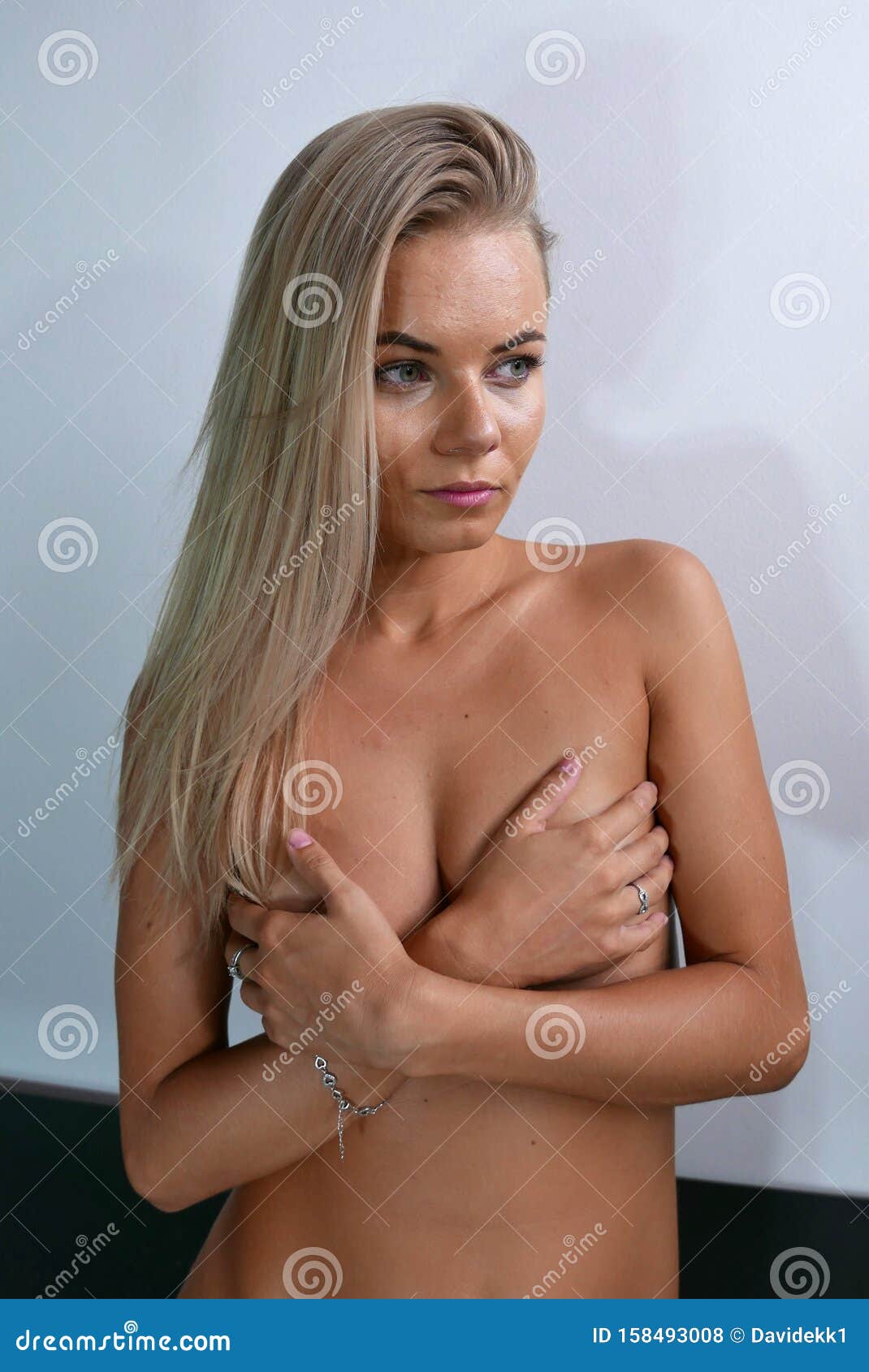
The art of nude model photography is a delicate balance between capturing the human form in its most natural state and creating visually stunning images that evoke emotion and aesthetic appreciation. When working with nude models, photographers must consider not only the technical aspects of their craft but also the comfort, consent, and creative expression of their subjects. Here, we’ll explore five poses that can help achieve beautiful and impactful nude model photography, emphasizing both the artistic and technical considerations.
Establishing Comfort and Consent
Before diving into specific poses, it’s crucial to establish a comfortable and respectful environment for the model. This includes clear communication about the poses, boundaries, and any concerns the model might have. Ensuring the model feels safe and respected is paramount for capturing genuine and beautiful images.
A photographer's ability to create a comfortable atmosphere can significantly influence the quality of the photographs. It's not just about the technical skills, but also about understanding and respecting the model's boundaries and comfort level.
1. The Relaxed Standing Pose
The relaxed standing pose is a fundamental yet powerful position that can convey a sense of natural elegance and confidence. To achieve this pose, the model should stand with their feet shoulder-width apart, with one foot slightly in front of the other to create a more dynamic line. The weight should be evenly distributed or slightly shifted onto the back leg to relax the front leg and hip. The arms can be relaxed by the sides, or one arm can be gently placed on a nearby surface or against the body to add variety.
Key Considerations: - Encourage the model to relax their shoulders and engage their core slightly to maintain good posture without appearing stiff. - Experiment with the direction of the model’s gaze; looking directly at the camera can create a sense of intimacy, while looking away can suggest contemplation or mystery. - Pay attention to the lighting; soft, natural light can enhance the contours of the body and create a warm, inviting atmosphere.
2. The Reclined Pose on an Elbow
The reclined pose on an elbow is a classic position that offers a range of creative possibilities. It allows the model to relax while still maintaining an engaging and dynamic posture. To execute this pose, the model lies on their side with one elbow bent and supporting their head or upper body. The other arm can rest on the body or the surface they’re lying on.
Key Considerations: - The angle of the body relative to the camera is crucial. Experimenting with different angles can add variety to the pose, from a straightforward side view to a more dramatic, foreshortened perspective. - The model’s facial expression and the direction of their gaze can significantly affect the mood of the photograph. A soft, serene expression can evoke a sense of calm, while a more intense gaze can create a sense of intrigue. - The texture and color of the surface the model is lying on can add an additional layer of depth and context to the image.
3. The Seated Pose with Bent Knees
The seated pose with bent knees is a versatile position that can be adapted to various settings and moods. It involves the model sitting on the floor or a surface with their knees bent and feet flat. The model’s back can be straight, or they can lean slightly forward or backward to create different dynamics.
Key Considerations: - The positioning of the arms can greatly affect the pose. The model can wrap their arms around their knees, rest their hands on their thighs, or place them on the floor beside them. - The model’s facial expression and posture can convey a range of emotions, from introspection to openness and engagement with the viewer. - The environment around the model can be used to add context or texture to the image. For example, a minimalist background can focus attention on the model, while a cluttered or textured environment can add complexity and interest.
4. The Standing Lean
The standing lean is a pose that combines elegance with a sense of relaxed informality. It involves the model standing and leaning against a surface, such as a wall or a piece of furniture. This pose can help create a sense of fluidity and natural movement.
Key Considerations: - The angle and manner in which the model leans can significantly affect the pose’s dynamics. A gentle lean can suggest relaxation, while a more pronounced lean can imply a sense of tension or drama. - The model’s interaction with the surface they’re leaning against can add an interesting element to the pose. For example, they might rest their head, shoulder, or hand against it. - The model’s posture and the distribution of their weight can also influence the overall effect of the pose. Shifting the weight onto one leg or bending one knee can create a more dynamic line.
5. The Curled Up Pose
The curled up pose is a protective and intimate position that can evoke a sense of vulnerability and warmth. It involves the model curling up, often on the floor or a soft surface, with their knees drawn up towards their chest and their arms wrapped around their legs.
Key Considerations: - The tightness of the curl can vary, creating different effects. A tighter curl can suggest a more protective or defensive posture, while a looser curl can imply a sense of relaxation or openness. - The model’s facial expression is crucial in this pose, as it can be one of the primary focal points. A serene or contented expression can enhance the sense of warmth and intimacy. - The environment and lighting can significantly impact the mood of the image. Soft lighting and a simple, uncluttered background can enhance the sense of vulnerability and warmth.
Each pose offers a unique opportunity to explore different aspects of the human form and create images that are not only aesthetically pleasing but also emotionally resonant.
Frequently Asked Questions
How can a photographer ensure a nude model feels comfortable during a shoot?
+To ensure a nude model feels comfortable, photographers should maintain clear and respectful communication, provide a private and warm environment, and be considerate of the model's boundaries and needs throughout the shoot.
What are some key considerations for lighting in nude photography?
+Lighting in nude photography should be soft and flattering, often utilizing natural light or diffused artificial light to create a warm and inviting atmosphere. The direction and quality of light can significantly impact the contours and textures captured in the image.
How can different poses affect the mood of a nude photograph?
+Different poses can significantly influence the mood of a nude photograph by conveying various emotions and attitudes. For example, a relaxed pose might suggest serenity, while a more tense or dynamic pose could imply energy or drama.
What role does the environment play in nude photography?
+The environment in nude photography can add context, texture, and mood to the image. It can range from a minimalist, abstract setting that focuses attention on the model, to a more detailed or textured environment that adds complexity and interest.
By understanding and experimenting with these poses, photographers can create a diverse portfolio of nude model photography that not only showcases their technical skill but also their ability to capture the beauty and essence of the human form.

