The convergence of blockchain technology and urban development is creating new opportunities for cities to become more efficient, transparent, and sustainable. Simpcity projects, which aim to simplify urban planning and management, can greatly benefit from the integration of blockchain. One of the most promising applications is the use of “hot blockchain,” a term referring to actively developed and widely adopted blockchain platforms. By leveraging hot blockchain in Simpcity projects, urban developers can create more robust, secure, and community-driven initiatives. Here are five ways to achieve this.
1. Enhancing Transparency and Trust through Immutable Ledger Technology
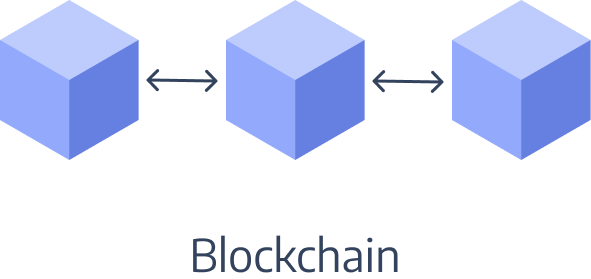
Hot blockchain platforms, such as Ethereum and Polkadot, offer immutable ledger technology that can significantly enhance transparency and trust in Simpcity projects. By recording all transactions and decisions on a blockchain, stakeholders can track the progress of projects in real-time, reducing the risk of corruption and mismanagement. For instance, a city’s land registry can be maintained on a blockchain, ensuring that property ownership and transfer records are tamper-proof and publicly accessible.
The use of blockchain in land registry management has been successfully implemented in countries like Sweden and Georgia, where it has improved the efficiency and transparency of property transactions.
The process involves creating a digital representation of land ownership and recording it on a blockchain. This not only prevents fraudulent activities but also simplifies the process of buying and selling properties. Furthermore, smart contracts can be used to automate the transfer of ownership, reducing the need for intermediaries and increasing the speed of transactions.
2. Facilitating Community Engagement through Token-Based Incentives
Hot blockchain enables the creation of token-based ecosystems that can incentivize community participation in Simpcity projects. By issuing tokens that represent certain rights or rewards, cities can encourage citizens to contribute to urban development initiatives. For example, a token can be created to reward citizens for reporting infrastructure issues or participating in public consultations.
| Token Type | Purpose | Benefits |
|---|---|---|
| Participation Tokens | Reward citizens for participating in public consultations | Increased community engagement, more representative decision-making |
| Infrastructure Maintenance Tokens | Incentivize reporting of infrastructure issues | Improved maintenance of public infrastructure, enhanced public safety |
This approach not only fosters a sense of community but also ensures that the needs and concerns of citizens are taken into account in urban planning decisions.
3. Streamlining Urban Services through Decentralized Applications (dApps)
Decentralized applications (dApps) built on hot blockchain platforms can significantly streamline urban services, making them more efficient and accessible to citizens. dApps can be used to manage a wide range of services, from waste management to public transportation. For instance, a dApp can be developed to allow citizens to report waste collection issues, which are then automatically directed to the relevant authorities.
Developing a dApp for Waste Management
- Identify the specific needs and pain points in the current waste management system
- Design a dApp that allows citizens to report issues and track the status of their reports
- Implement a reward system using tokens to incentivize citizens to use the dApp
- Integrate the dApp with existing waste management infrastructure and authorities
By leveraging dApps, cities can reduce bureaucratic red tape, improve response times, and enhance the overall quality of urban services.
4. Promoting Sustainable Development through Green Blockchain Initiatives
Hot blockchain can also be used to promote sustainable development in Simpcity projects by enabling the creation of green blockchain initiatives. These initiatives can incentivize sustainable practices, such as energy efficiency and waste reduction, by rewarding citizens and businesses with tokens or other benefits.
"The use of blockchain technology can play a crucial role in promoting sustainable development by providing a transparent and tamper-proof way to track and verify sustainable practices."
Source: United Nations Environment Programme
For example, a city can develop a blockchain-based platform that rewards buildings for achieving certain energy efficiency standards. This can be done by issuing tokens that can be redeemed for benefits, such as reduced energy costs or preferential tax treatment.
5. Fostering Innovation through Blockchain-Based Funding Mechanisms
Finally, hot blockchain can enable the creation of innovative funding mechanisms for Simpcity projects. Initial Coin Offerings (ICOs) and Security Token Offerings (STOs) can be used to raise funds for urban development initiatives, providing a new source of capital for cities.
ICO vs. STO: Choosing the Right Funding Mechanism
- ICOs: Offer flexibility in terms of token design and distribution, but are subject to regulatory uncertainty
- STOs: Provide a more secure and compliant way to raise funds, but may be subject to stricter regulatory requirements
By leveraging blockchain-based funding mechanisms, cities can access a global pool of investors and accelerate the development of Simpcity projects.
Frequently Asked Questions
What are the benefits of using hot blockchain in Simpcity projects?
+The use of hot blockchain in Simpcity projects can enhance transparency and trust, facilitate community engagement, streamline urban services, promote sustainable development, and foster innovation through new funding mechanisms.
How can blockchain-based token incentives promote community engagement?
+Token incentives can encourage citizens to participate in urban development initiatives, such as reporting infrastructure issues or participating in public consultations, by providing a tangible reward for their contributions.
What are the challenges of implementing blockchain technology in Simpcity projects?
+The challenges include regulatory uncertainty, the need for significant investment in infrastructure and education, and the potential for blockchain technology to be misused or exploited.
Can blockchain technology be used to improve the efficiency of urban services?
+Yes, blockchain technology can be used to streamline urban services, such as waste management and public transportation, by enabling the creation of decentralized applications (dApps) that can automate and optimize service delivery.