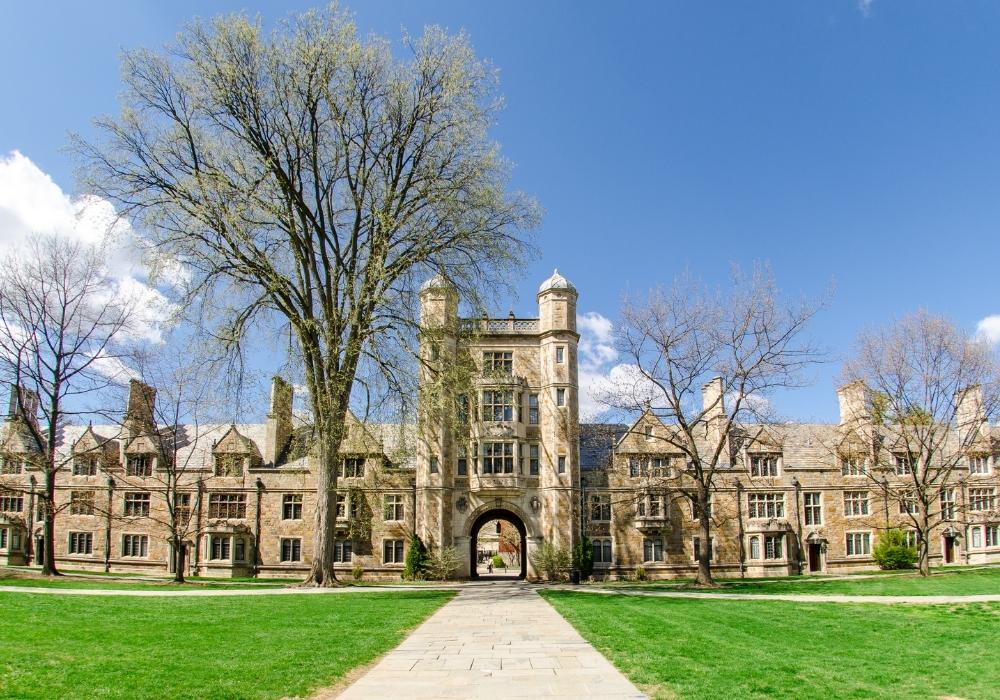
Michigan State University (MSU) is one of the most prestigious public research universities in the United States, known for its academic excellence, innovative research, and commitment to community engagement. To understand the significance of MSU, it’s essential to explore its history, academic programs, and the impact it has on its students and the broader community.
A Brief History of MSU

MSU was founded in 1855 as the Agricultural College of the State of Michigan, making it one of the oldest institutions of higher education in the United States. The university has a rich history, having evolved from a small agricultural college to a comprehensive research university. This transformation was marked by significant milestones, including the establishment of the first college of agriculture and the introduction of innovative agricultural practices.
Academic Programs and Research

MSU offers a wide range of undergraduate and graduate degree programs across various disciplines, including arts, humanities, social sciences, natural sciences, and engineering. The university is particularly renowned for its programs in agriculture, business, education, engineering, and natural sciences. MSU’s faculty comprises distinguished scholars and researchers who are committed to teaching, research, and service.
The university is also recognized for its research excellence, with a strong focus on interdisciplinary collaboration and innovation. MSU researchers work on a variety of projects, from developing new agricultural practices to addressing complex societal challenges such as climate change, healthcare disparities, and social inequality.
| College/School | Notable Programs |
|---|---|
| College of Agriculture and Natural Resources | Agricultural Economics, Crop and Soil Sciences, Fisheries and Wildlife |
| Eli Broad College of Business | Accounting, Finance, Marketing, Supply Chain Management |
| College of Education | Teacher Education, Educational Leadership, Counseling |
| College of Engineering | Chemical Engineering, Computer Science, Electrical Engineering, Mechanical Engineering |

Community Engagement and Impact
MSU is deeply committed to community engagement and has a significant impact on the local and global community. The university’s outreach programs and partnerships with various organizations aim to address pressing social issues, promote economic development, and enhance the quality of life for individuals and communities.
One notable example is the MSU Extension, which provides research-based education and resources to communities across Michigan. The extension’s programs cover a wide range of topics, including agriculture, natural resources, family and consumer sciences, and youth development.
Student Life and Opportunities
MSU provides a vibrant and inclusive campus environment, with a wide range of opportunities for students to engage in academic, extracurricular, and social activities. The university is home to over 900 student organizations, offering something for every interest.
Students at MSU can also benefit from a variety of support services, including academic advising, mental health resources, and career counseling. The university’s commitment to student success is reflected in its high graduation rates and the achievements of its alumni.
"MSU provides a supportive and inclusive environment that allows students to thrive academically and personally," said a current student. "The opportunities available on campus are diverse and plentiful, making it an ideal place to pursue one's passions."
Future Directions and Challenges

As MSU looks to the future, it faces both opportunities and challenges. The university is committed to advancing its research mission, enhancing its academic programs, and expanding its community engagement efforts. However, it must also navigate the complexities of higher education, including issues related to funding, diversity and inclusion, and the evolving needs of students and society.
Pros and Cons of Attending MSU
- Pros:
- Academic excellence and innovative research opportunities
- Diverse and inclusive campus community
- Strong support services for student success
- Cons:
- Large class sizes in some introductory courses
- Competition for research and internship opportunities
- High expectations and academic rigor
FAQs About MSU
What is Michigan State University known for?
+Michigan State University is known for its academic excellence, innovative research, and commitment to community engagement. It is particularly renowned for its programs in agriculture, business, education, engineering, and natural sciences.
What kind of research does MSU conduct?
+MSU conducts a wide range of research across various disciplines, including agriculture, natural sciences, engineering, social sciences, and humanities. The university is recognized for its interdisciplinary research collaborations and its focus on addressing complex societal challenges.
What opportunities are available for students at MSU?
+MSU provides a vibrant and inclusive campus environment, with over 900 student organizations, a variety of support services, and numerous opportunities for academic and extracurricular engagement. Students can also benefit from research opportunities, internships, and career counseling.
How does MSU contribute to the community?
+MSU is committed to community engagement through its outreach programs and partnerships with various organizations. The university's efforts aim to address pressing social issues, promote economic development, and enhance the quality of life for individuals and communities.
In conclusion, Michigan State University is a distinguished institution that has made significant contributions to higher education, research, and community engagement. Its rich history, academic excellence, and commitment to public service make it a valuable resource for students, scholars, and the broader community. As MSU continues to evolve and address the challenges of the future, it remains a leader in its field, shaping the minds of future generations and driving positive change in society.