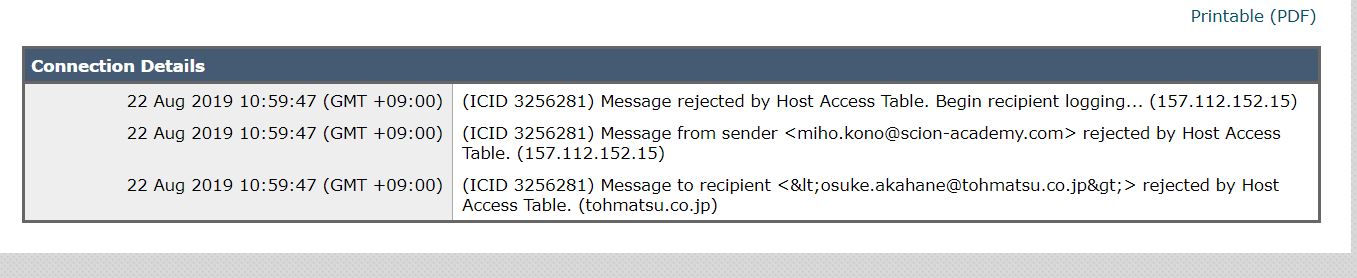
When sending emails, businesses often encounter the frustrating “Message Rejected: AUP” error. This issue typically arises when email service providers (ESPs) or internet service providers (ISPs) flag an email as violating their Acceptable Use Policies (AUPs). Resolving these issues promptly is crucial to maintaining communication with clients, customers, or stakeholders. Here are five effective strategies to quickly resolve Message Rejected AUP issues.
Understand Acceptable Use Policies (AUPs)
Before diving into resolution strategies, it’s essential to comprehend what AUPs entail. AUPs are guidelines set by ESPs and ISPs that dictate how their services should be used. These policies often prohibit activities such as spamming, phishing, and sending unsolicited emails. Understanding these policies is the first step in avoiding and resolving AUP-related issues.
A key aspect of AUPs is their variability across different ESPs and ISPs. What is acceptable under one provider's policy may be flagged under another's. Thus, familiarity with the specific AUPs of the providers you interact with is crucial.
1. Review and Adjust Email Content
One common reason for AUP violations is email content that is deemed spammy or misleading. To resolve this, review the content of the rejected email for potential red flags such as:
- Misleading subject lines or headers
- Unsolicited attachments or links
- Overuse of promotional language
- Lack of clear unsubscribe options
Adjusting the content to comply with AUPs can help prevent future rejections. Ensure that emails are relevant, expected, and provide value to the recipients.
| Content Element | AUP Compliance Tip |
|---|---|
| Subject Lines | Ensure they accurately reflect email content |
| Attachments/Links | Only include when relevant and expected |
| Promotional Language | Balance promotional content with value-added information |
| Unsubscribe Options | Always provide a clear and functional unsubscribe link |

2. Verify Sender Identity and Authentication
ESPs and ISPs often reject emails from unverified or poorly authenticated senders. To resolve AUP issues related to sender identity:
- Implement SPF (Sender Policy Framework) to specify which IP addresses are allowed to send emails on your behalf.
- Set up DKIM (DomainKeys Identified Mail) to add a digital signature to your emails, verifying their authenticity.
- Configure DMARC (Domain-based Message Authentication, Reporting, and Conformance) to define how receivers should handle unauthenticated emails claiming to be from your domain.
Implementing SPF, DKIM, and DMARC:
- Generate SPF, DKIM, and DMARC records according to your domain registrar's or ESP's guidelines.
- Publish these records in your DNS settings.
- Monitor DMARC reports to identify and address any authentication issues.
3. Improve Email List Quality
Sending emails to unengaged, invalid, or unsubscribed addresses can lead to AUP violations. Enhancing your email list quality involves:
- Regularly cleaning your list to remove bounced, unsubscribed, or inactive addresses.
- Implementing double opt-in to ensure subscribers genuinely want to receive your emails.
- Segmenting your list to tailor content to different groups, improving engagement.
Maintaining a healthy email list not only helps avoid AUP issues but also improves overall email marketing effectiveness by ensuring you're targeting engaged and interested recipients.
4. Engage with ESP/ISP Support
When faced with a Message Rejected AUP error, directly contacting the ESP or ISP’s support can provide insights into the specific reasons behind the rejection. Be prepared to:
- Provide details about the rejected email, including headers and content.
- Explain the steps you’ve taken to comply with their AUP.
- Request specific guidance on what changes are needed to avoid future rejections.
5. Monitor and Analyze Email Metrics
Proactively monitoring email metrics can help identify potential AUP issues before they result in rejections. Key metrics to track include:
- Bounce rates
- Complaint rates
- Engagement rates (opens, clicks)
Analyzing these metrics allows you to address issues such as list quality, content relevance, and authentication problems early on.
What does "Message Rejected AUP" mean?
+"Message Rejected AUP" indicates that an email was rejected due to a violation of the recipient's email service provider's or internet service provider's Acceptable Use Policy, often related to spam or unsolicited content.
How can I avoid AUP violations?
+To avoid AUP violations, ensure your emails are relevant and expected by recipients, authenticate your sender identity, maintain a clean and engaged email list, and comply with ESP/ISP guidelines.
Can AUP violations affect my email reputation?
+Yes, repeated AUP violations can negatively impact your email reputation, making it more challenging to deliver emails to recipients in the future.
What should I do if my emails are consistently rejected?
+If your emails are consistently rejected, review your email practices, check for AUP compliance, verify sender authentication, and consider reaching out to the ESP/ISP support for specific guidance.
By implementing these strategies, businesses can effectively resolve Message Rejected AUP issues, improve their email practices, and maintain a positive email reputation.

