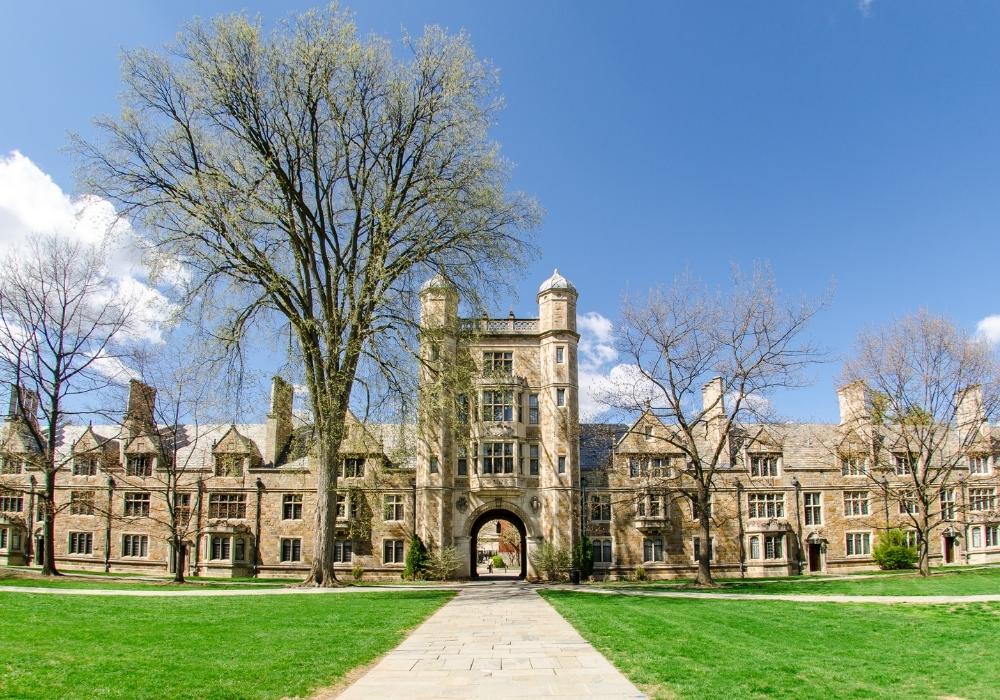
The University of Michigan is one of the most prestigious public universities in the United States, attracting top talent from around the world. As a prospective student, understanding the admissions statistics and requirements is crucial in determining your chances of getting accepted into this esteemed institution. The university’s admissions process is highly competitive, with numerous factors considered in the evaluation of applicants.
To begin with, let’s examine the University of Michigan’s admissions statistics. The university received a total of 79,743 applications for the class of 2024, with an acceptance rate of 23.6%. This means that out of every 100 applicants, only about 24 were accepted. The middle 50% of admitted students had an average GPA of 3.8-4.0, with SAT scores ranging from 1340-1530 (Evidence-Based Reading and Writing & Math) and ACT scores between 30-34.
When it comes to admissions requirements, the University of Michigan has a comprehensive set of criteria that applicants must meet. Here are some of the key requirements:
- Academic Requirements: The university requires applicants to have a strong academic record, with a minimum GPA of 3.0 or higher. The middle 50% of admitted students typically have a GPA of 3.8 or higher.
- Standardized Tests: The University of Michigan is a test-optional institution, but submitting SAT or ACT scores can be beneficial for applicants who have taken these tests. The middle 50% of admitted students have SAT scores between 1340-1530 and ACT scores between 30-34.
- Course Requirements: The university requires applicants to complete a set of core courses, including four years of English, three years of mathematics, two years of laboratory science, and two years of social science.
- Extracurricular Activities: The University of Michigan values extracurricular activities and community service, with many admitted students having a strong record of involvement in these areas.
| Admissions Statistics | Class of 2024 | Class of 2023 |
|---|---|---|
| Number of Applications | 79,743 | 76,743 |
| Acceptance Rate | 23.6% | 23.2% |
| Average GPA | 3.8-4.0 | 3.8-4.0 |
| SAT Scores (EBRW & Math) | 1340-1530 | 1340-1530 |
| ACT Scores | 30-34 | 30-34 |

In addition to these requirements, the University of Michigan also considers other factors, such as:
- Personal Statement: The university requires applicants to submit a personal statement as part of their application. This statement should provide insight into the applicant’s interests, goals, and motivations.
- Letters of Recommendation: The university requires applicants to submit letters of recommendation from teachers or other academic professionals.
- Community Service: The university values community service and looks for applicants who have demonstrated a commitment to giving back to their community.
To illustrate the importance of these factors, let’s consider a few examples:
- A student who has a strong academic record, but lacks extracurricular activities, may be considered for admission if they have a compelling personal statement that highlights their passions and interests.
- A student who has a weaker academic record, but has demonstrated exceptional talent or achievement in a particular area, may be considered for admission if they have strong letters of recommendation and a clear explanation of their circumstances.
Frequently Asked Questions
What is the acceptance rate at the University of Michigan?
+The acceptance rate at the University of Michigan varies from year to year, but for the class of 2024, it was 23.6%.
What are the average GPA and test scores for admitted students?
+The middle 50% of admitted students typically have a GPA of 3.8-4.0, SAT scores between 1340-1530, and ACT scores between 30-34.
Is the University of Michigan test-optional?
+Yes, the University of Michigan is test-optional, but submitting SAT or ACT scores can be beneficial for applicants who have taken these tests.
What are the course requirements for admission?
+The university requires applicants to complete a set of core courses, including four years of English, three years of mathematics, two years of laboratory science, and two years of social science.
In conclusion, the University of Michigan’s admissions process is complex and multifaceted, with a range of factors considered in the evaluation of applicants. By understanding the admissions statistics and requirements, prospective students can better navigate this process and increase their chances of success.
