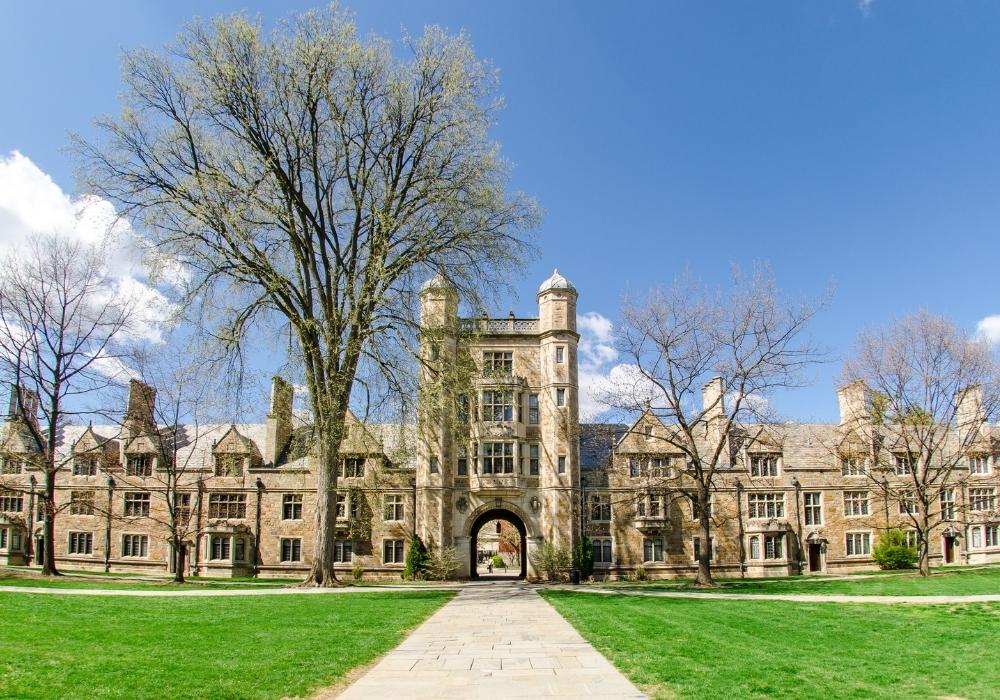
Michigan’s higher education landscape is rich with history, innovation, and academic excellence. From prestigious research institutions to specialized liberal arts colleges, the state’s diverse array of colleges and universities attracts students from across the globe. While many are familiar with Michigan’s educational reputation, there are some surprising statistics that reveal the depth and complexity of its academic ecosystem.
Michigan’s Higher Education by the Numbers
The state’s commitment to education is evident in its impressive array of institutions. With over 100 colleges and universities, Michigan offers a broad spectrum of academic programs that cater to various interests and career goals. This diversity is reflected in some remarkable statistics that highlight the state’s educational strengths and unique characteristics.
Michigan leads in producing top business talent: The state is remarkably productive in terms of business education. According to a study by Forbes, Michigan-based universities have produced more Fortune 500 CEOs than any other state except New York and California. This statistic underscores the strength of Michigan’s business programs and their impact on the national economy.
Diverse student body: Michigan colleges and universities boast a diverse student population. For instance, the University of Michigan has one of the most diverse student bodies among public universities, with students from all 50 states and over 100 countries. This diversity enriches the educational experience and prepares students for an increasingly globalized world.
| Institution | Student Diversity Index |
|---|---|
| University of Michigan | 0.73 |
| Michigan State University | 0.68 |
| Wayne State University | 0.65 |

Research powerhouse: Michigan institutions are at the forefront of research and innovation. The University of Michigan, for example, is classified as a “Highest Research Activity” institution by the Carnegie Foundation. In 2020, it received over $1.6 billion in research funding, making it one of the top research universities in the country. This level of research activity contributes significantly to advancements in various fields and fosters a culture of innovation.
Strong community college system: While often overshadowed by four-year institutions, Michigan’s community colleges play a vital role in the state’s educational ecosystem. With 28 community colleges across the state, they provide accessible, affordable education to thousands of students. Many of these colleges have articulation agreements with four-year institutions, creating a clear pathway for students to continue their education.
- Significant economic impact: The presence of colleges and universities has a substantial economic impact on Michigan. A study by the Michigan Colleges Alliance found that the state’s higher education institutions generate over $40 billion in economic activity annually. This includes not just the direct spending by institutions and their employees but also the increased earning potential of graduates, who contribute to the state’s tax base and economic growth.
Future Implications and Trends
As Michigan continues to evolve its higher education landscape, several trends are likely to shape the future of its colleges and universities. One significant factor is the growing emphasis on online and hybrid learning models. Institutions are adapting to meet the changing needs of students, many of whom require more flexibility in their educational pursuits.
Another trend is the increasing focus on workforce development and partnerships with industry. Michigan colleges and universities are developing programs that directly address the needs of employers, particularly in key sectors such as technology, healthcare, and advanced manufacturing. This alignment between education and industry needs is crucial for preparing students for the modern workforce.
What are the top-ranked universities in Michigan?
+The University of Michigan is consistently ranked among the top public universities globally. Michigan State University and Wayne State University are also highly regarded for their academic programs and research output.
How diverse are Michigan's colleges and universities?
+Michigan's colleges and universities are known for their diverse student bodies. For example, the University of Michigan has students from all 50 states and over 100 countries, making it one of the most diverse public universities in the country.
What role do community colleges play in Michigan's education system?
+Michigan's 28 community colleges provide accessible, affordable education to thousands of students. They offer programs that prepare students for the workforce or serve as a stepping stone to four-year institutions through articulation agreements.
How do Michigan colleges contribute to the state's economy?
+Michigan's higher education institutions generate over $40 billion in economic activity annually. This includes direct spending, increased earning potential of graduates, and their contributions to the state's tax base and economic growth.
In conclusion, Michigan’s colleges and universities are a vital part of the state’s identity and economic vitality. The surprising statistics highlighted above offer a glimpse into the complexity and richness of Michigan’s higher education landscape. As the state continues to adapt to changing educational needs and workforce demands, its institutions are poised to remain at the forefront of academic excellence and innovation.