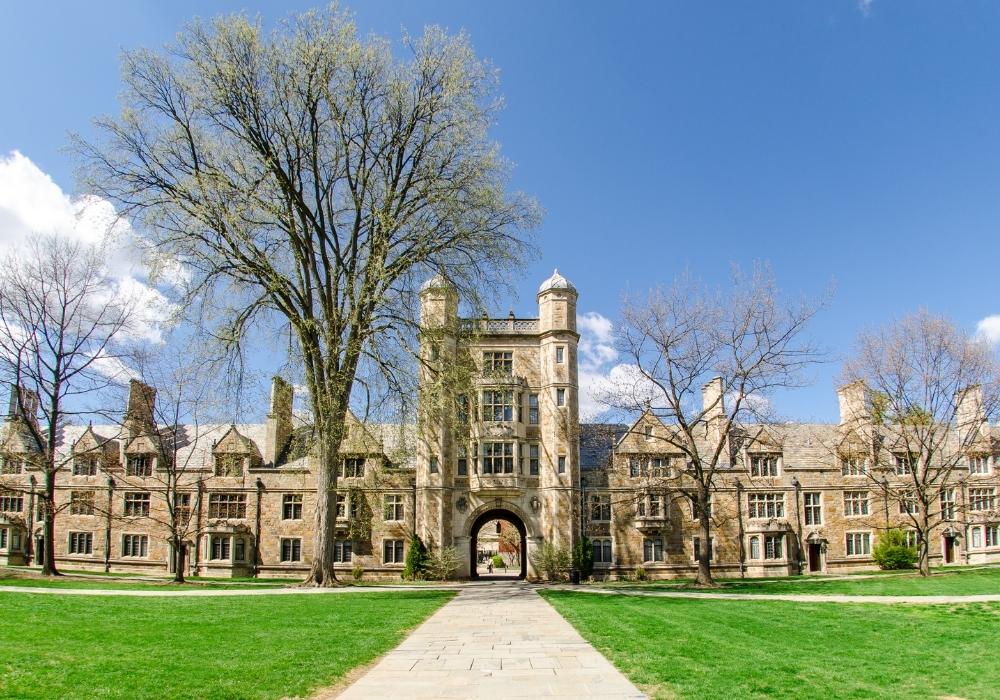
Michigan State University is a prestigious institution known for its rigorous academic programs and esteemed faculty. For aspiring students, getting accepted into MSU can be a challenging and competitive process. One crucial step in this journey is acing the audition, which is required for certain programs such as music, theater, and dance. A successful audition can make all the difference in securing a spot at MSU. Here are five essential tips to help you prepare and succeed in your Michigan State audition.
Understanding the Audition Process
Before diving into the preparation tips, it’s essential to understand the audition process at Michigan State University. The university offers various programs that require auditions, each with its unique requirements and evaluation criteria. For instance, the College of Music requires prospective students to perform a prepared piece, sight-read, and participate in a music theory assessment. Similarly, the Department of Theatre requires auditions to assess an individual’s acting, singing, and dancing abilities.
To succeed, you must familiarize yourself with the specific requirements for your desired program. This includes understanding the audition format, the expected level of performance, and any specific repertoire or material requirements. Researching the program and its faculty can also provide valuable insights into what the audition panel is looking for.
Understanding the audition requirements and format is crucial for preparation. Research the program and its faculty to gain insights into the evaluation criteria and expectations.
Tip 1: Prepare Thoroughly
Thorough preparation is the foundation of a successful audition. This involves selecting appropriate material, rehearsing extensively, and fine-tuning your performance. For music auditions, choose pieces that showcase your technical skill and musicality. For theater or dance auditions, prepare monologues, scenes, or choreography that highlight your acting or dancing abilities.
When preparing your material, consider the following: - Repertoire: Choose pieces that are within the recommended guidelines and that you can perform confidently. - Practice: Rehearse your material until you can perform it flawlessly. Consider recording yourself to identify areas for improvement. - Performance: Focus on delivering a compelling performance. For music, this means conveying emotion through dynamics and phrasing. For theater, it involves bringing depth to your characters. For dance, it’s about executing choreography with precision and expression.
Tip 2: Understand the Judges’ Expectations
Understanding what the judges are looking for can significantly enhance your audition performance. The evaluation criteria often include technical proficiency, artistic expression, and overall presentation. For music auditions, judges might assess your tone quality, intonation, rhythm, and interpretation of the piece. In theater or dance, they might evaluate your acting technique, stage presence, or technical skill.
To align with the judges’ expectations: - Research the Faculty: Look into the backgrounds of the faculty members who will be judging your audition. Understanding their areas of expertise can give you insight into what they value in a performance. - Review Audition Guidelines: Pay close attention to the guidelines provided by the department or program you’re auditioning for. These guidelines often outline the specific criteria used for evaluation.
Aligning your preparation with the judges' expectations can significantly improve your chances of success. Understand the evaluation criteria and tailor your performance accordingly.
Tip 3: Manage Your Nerves
Feeling nervous before and during an audition is natural. However, managing your nerves effectively is crucial for delivering your best performance. Here are some strategies to help you stay calm and focused: - Preparation: Being well-prepared is one of the most effective ways to reduce nerves. Knowing your material inside out can boost your confidence. - Breathing Exercises: Practice deep breathing exercises to calm your nerves. This can help slow down your heart rate and reduce anxiety. - Positive Visualization: Visualize yourself performing successfully. Imagine the audience or judges responding positively to your performance. - Physical Warm-Up: Engage in physical warm-ups appropriate for your discipline. For musicians, this might involve doing scales or finger exercises. For actors, it could be vocal warm-ups or physical stretches.
Tip 4: Be Professional and Respectful
Professionalism and respect are key during the audition process. This includes being punctual, dressing appropriately, and interacting courteously with the audition staff and judges. - Punctuality: Plan to arrive early. This allows you time to check in, get settled, and mentally prepare before your audition. - Attire: Dress in attire that is appropriate for your discipline. For example, dancers should wear attire that allows for ease of movement, while musicians might opt for formal or business casual attire. - Interaction: Be courteous and respectful to everyone you interact with during the audition process. This includes the staff, judges, and other auditionees.
Professionalism in Auditions
Benefits
- Makes a positive first impression
- Demonstrates respect for the opportunity and the judges
- Can contribute to a more confident and composed demeanor
Challenges
- May require additional preparation and attention to detail
- Can be challenging to maintain professionalism under pressure
Tip 5: Learn from the Experience
Regardless of the outcome, every audition is an opportunity to learn and grow. Reflecting on your experience can provide valuable insights into areas for improvement and help you prepare for future auditions.
- Self-Assessment: Take time to assess your performance critically. Identify what you did well and what could be improved.
- Feedback: If possible, seek feedback from the judges or audition staff. Constructive criticism can be invaluable in refining your skills.
- Continuous Improvement: Use the insights gained from your audition experience to inform your practice and preparation for future opportunities.
What should I wear to a Michigan State University audition?
+Dress professionally and appropriately for your discipline. For example, dancers should wear attire that allows for ease of movement, while musicians might opt for formal or business casual attire.
How can I manage my nerves during an audition?
+Practice deep breathing exercises, visualize yourself performing successfully, and engage in appropriate physical warm-ups. Being well-prepared is also key to reducing nerves.
What should I expect during a Michigan State University audition?
+Expect to perform prepared material, possibly participate in sight-reading or other assessments, and interact with the audition staff and judges. The specific format will depend on the program you're auditioning for.
How can I improve my chances of success in an audition?
+Thorough preparation, understanding the judges' expectations, managing your nerves, being professional, and learning from the experience are all crucial. Tailor your preparation to the specific requirements and evaluation criteria of the audition.
In conclusion, succeeding in a Michigan State University audition requires a combination of thorough preparation, understanding the judges’ expectations, managing your nerves, being professional, and learning from the experience. By following these tips and tailoring your approach to the specific requirements of your audition, you can enhance your chances of success and take a significant step towards achieving your academic and professional goals.