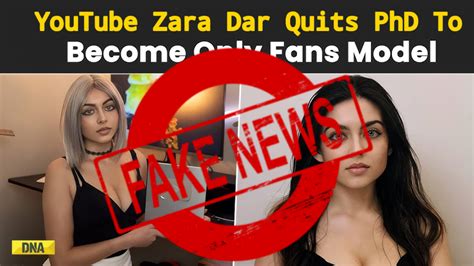
The digital world is abuzz with controversy as a leaked video purportedly featuring Zara Dar, a social media influencer and content creator, has made its way onto various online platforms. This incident has sparked intense debate, with opinions sharply divided between those defending Dar and those condemning her. The situation has raised several questions regarding privacy, consent, and the responsibilities that come with being a public figure.
At the center of this controversy is the video itself, which has been circulating on social media and various online forums. While the authenticity of the video has not been officially confirmed by Dar or her representatives, its impact on her public image and personal life is undeniable. The video’s leak has led to a frenzy of discussions, with many taking to social media to share their views on the matter.
One of the primary concerns surrounding this incident is the issue of privacy. The non-consensual sharing of intimate content is a serious violation of an individual’s privacy and can have profound emotional and psychological effects on the victim. In Dar’s case, the leak has not only put her personal life under scrutiny but has also raised questions about the security of personal content in the digital age.
The public’s reaction to the leaked video has been mixed. Some have expressed sympathy for Dar, emphasizing the importance of respecting individuals’ privacy and the potential long-term consequences of such leaks. Others have taken a more critical stance, questioning Dar’s actions and the implications of her being a public figure.
| Public Reaction | Key Points |
|---|---|
| Supportive | Emphasizes privacy violation, potential emotional impact |
| Critical | Questions public figure responsibilities, actions leading to the leak |

This incident also brings to the forefront the challenges faced by social media influencers and content creators. Their profession often blurs the lines between their public and private lives, making them more vulnerable to privacy breaches and public scrutiny.
- The constant need to produce content can lead to oversharing and increased vulnerability.
- Public figures are often subject to higher levels of scrutiny, making their personal lives targets for criticism and speculation.
- The digital footprint of influencers can make it difficult to contain the spread of leaked content.
The Zara Dar leaked video scandal is a complex issue that touches on several critical aspects of our digital lives, including privacy, consent, and the responsibilities of being a public figure. As the situation continues to unfold, it is likely to spark further discussions on these topics.
"The digital age has made privacy a luxury of the past. We need to redefine what privacy means in this new era and take collective action to protect it."
In examining the broader implications of this incident, it’s essential to consider the legal and ethical frameworks that govern the sharing of personal content online. Current laws and regulations vary widely across different jurisdictions, often leaving gaps in protection for individuals like Dar.
As we move forward, several key questions will need to be addressed: 1. How can we better protect individuals from privacy breaches in the digital age? 2. What are the responsibilities of social media platforms in preventing the spread of non-consensual content? 3. How can public figures navigate the challenges of their profession while maintaining their privacy?
What are the potential legal consequences for leaking intimate content without consent?
+The legal consequences can vary significantly depending on the jurisdiction. In many places, leaking intimate content without consent can lead to criminal charges, including invasion of privacy or distribution of obscene materials. Civil lawsuits for damages are also possible.
How can social media platforms better prevent the spread of non-consensual content?
+Social media platforms can implement more robust content moderation policies, including AI-powered detection tools to identify and remove non-consensual content quickly. They can also provide clearer reporting mechanisms for users to flag such content.
What measures can individuals take to protect their privacy in the digital age?
+Individuals can take several steps, including being cautious about the content they share online, using strong privacy settings on social media, and employing security measures like two-factor authentication. Regularly reviewing and updating privacy settings is also crucial.
The Zara Dar leaked video scandal serves as a stark reminder of the complexities and challenges of living in a digital world. As we navigate these issues, it’s clear that a multifaceted approach involving legal, technological, and societal changes is needed to protect privacy and ensure that individuals like Dar are not victimized by the non-consensual sharing of their personal content.