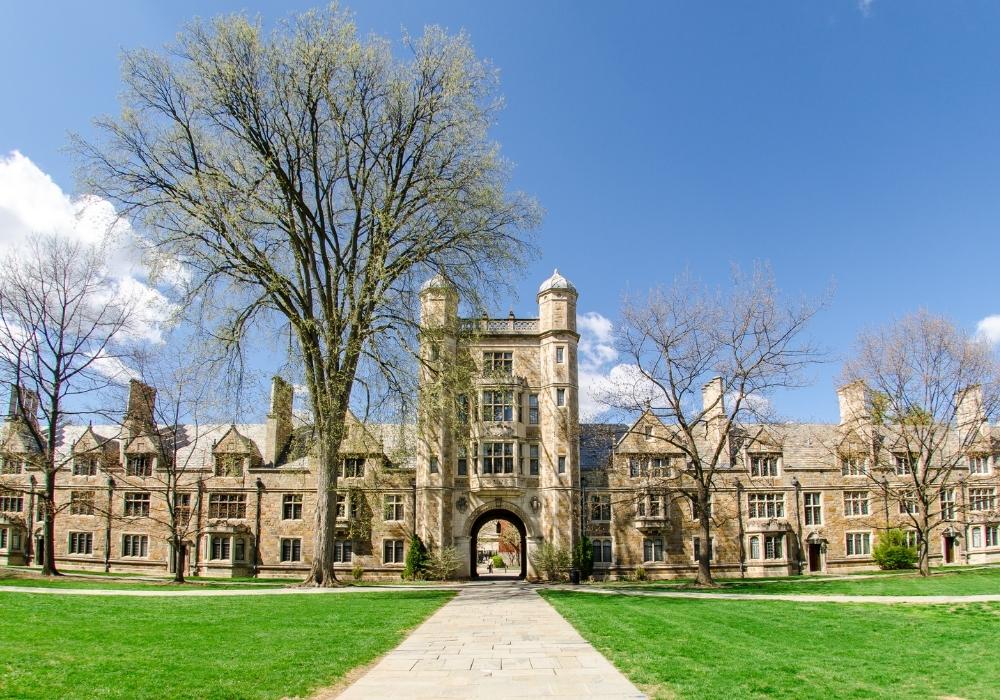
The eternal debate between Cornell University and Michigan State University has long fascinated prospective students and their families. Both institutions boast impressive academic credentials, rich histories, and diverse campus cultures. However, when it comes to making an informed decision, certain factors can tip the scales in favor of one over the other. Here, we’ll explore the top 5 reasons why Cornell might be the better choice for some students compared to Michigan State.
1. Academic Prestige and Opportunities
Cornell University, as an Ivy League institution, brings an unparalleled level of academic prestige to the table. Being part of the Ivy League means that Cornell is recognized globally for its rigorous academic programs, innovative research opportunities, and esteemed faculty. For instance, Cornell’s College of Engineering is consistently ranked among the top in the nation, offering students access to cutting-edge facilities and research projects that can significantly enhance their academic and professional portfolios.
Cornell's academic reputation can open doors to exclusive internship and job opportunities. Many top companies and organizations actively seek out Ivy League graduates, knowing they represent the pinnacle of academic achievement and potential.
In contrast, while Michigan State University is highly respected and offers a broad spectrum of academic programs, it doesn’t carry the same Ivy League cache. MSU’s strengths lie in its strong programs in areas like agriculture, natural resources, and education, as well as its research initiatives. However, for students aiming for the very top echelons of academia or those fields where Ivy League pedigree is highly valued, Cornell’s reputation might provide a significant edge.
2. Research and Internship Opportunities
Both universities are research-intensive institutions, but Cornell’s size and Ivy League status mean it often has more resources dedicated to undergraduate research. The university encourages undergraduates to engage in research projects across various disciplines, from the humanities to STEM fields. This early exposure not only enriches the academic experience but also makes Cornell graduates more competitive in the job market or when applying to graduate programs.
| Opportunity | Cornell University | Michigan State University |
|---|---|---|
| Undergraduate Research Funding | Offers numerous grants and programs for undergraduate research | Provides various research opportunities, though funding may vary |
| Internship Placement | Strong network and reputation aid in securing top internships | Robust career services, but may not match Ivy League prestige |
Michigan State also offers substantial research opportunities, particularly in areas like agriculture and environmental science, thanks to its strong colleges and research centers. However, the scale and scope of opportunities might be more limited compared to Cornell, especially for students in fields outside MSU’s core strengths.
3. Campus Culture and Community
The campus culture at Cornell is characterized by its diverse student body and the unique blend of Ivy League rigor with a picturesque, rural setting. The university is located in Ithaca, New York, offering a beautiful natural environment that fosters a close-knit community among students. Cornell’s residential system, with its houses and colleges, further enhances the sense of belonging and provides a supportive environment for students to grow academically and personally.
Cornell's campus culture is not just about academics; it's also about the holistic experience, including outdoor activities, cultural events, and a vibrant social scene.
Michigan State, on the other hand, offers a more traditional college town experience in East Lansing. While it has a lively campus life with numerous student organizations and events, the overall atmosphere is different from Cornell’s. MSU’s larger student body can sometimes make it feel less intimate than Cornell’s, though it also means there’s a broader range of extracurricular activities and cultural events available.
4. Networking and Alumni Connections
Cornell’s Ivy League network is one of its most valuable assets for students and graduates. The university’s alumni network is vast, influential, and highly engaged, offering current students and recent graduates unparalleled opportunities for mentorship, internships, and job placements. Many Cornell alumni hold significant positions in their respective fields, and the university’s career services are adept at leveraging these connections to benefit students.
- Access to a powerful and active alumni network
- Opportunities for mentorship and career guidance
- Strong connections to top industries and employers
While Michigan State has a strong and supportive alumni network as well, it may not have the same level of influence or reach as Cornell’s Ivy League connections. MSU’s network is robust, particularly in fields like business, education, and agriculture, but students seeking to tap into the very top echelons of their chosen profession might find Cornell’s network more beneficial.
5. Location and Post-Graduation Opportunities
The location of a university can significantly impact a student’s experience and post-graduation opportunities. Cornell’s location in Ithaca provides a unique blend of natural beauty and access to urban centers. While Ithaca itself is not a major metropolitan area, it’s within a reasonable distance to cities like Syracuse and New York City, offering students a chance to experience both the tranquility of rural life and the vibrancy of urban centers.
Pros of Cornell's Location: Scenic beauty, close-knit community, access to urban areas.
Cons: Remote location might limit some internship or job opportunities directly in Ithaca.
Michigan State’s location in East Lansing, near the state capital, provides its own set of advantages, including access to internships and job opportunities in government and related fields. The proximity to Detroit and Chicago also expands the potential job market for MSU graduates. However, for students looking for the specific advantages that come with an Ivy League education and its associated network effects, Cornell’s location and the opportunities it affords might be more appealing.
Frequently Asked Questions
What are the main differences in academic programs between Cornell and Michigan State?
+Cornell, as an Ivy League institution, is known for its highly competitive and rigorous academic programs across various disciplines. Michigan State, on the other hand, offers a broad range of programs with particular strengths in areas like agriculture, natural resources, and education. The choice between them might depend on the specific academic interests of the student.
How do campus sizes compare between Cornell and Michigan State?
+Cornell has a total enrollment of around 23,600 students, with about 15,000 being undergraduates. Michigan State has a larger student body, with around 50,000 students in total, including about 39,000 undergraduates. The larger size of MSU can mean more diverse course offerings and extracurricular activities, but some students might prefer Cornell's more intimate campus environment.
Are there significant differences in tuition and financial aid between the two universities?
+Yes, there are differences. Cornell is a private Ivy League university with higher tuition fees compared to Michigan State, which is a public university. However, Cornell also has a significant endowment and offers substantial financial aid to its students. The net cost of attendance can vary significantly based on a family's financial situation and the aid packages offered by each university.
What kind of extracurricular activities are available at Cornell and Michigan State?
+Both universities offer a wide range of extracurricular activities, from sports and clubs to volunteer opportunities and cultural organizations. Cornell's smaller size means that students might find it easier to take on leadership roles, while MSU's larger size provides a broader array of activities to choose from.
Ultimately, the decision between Cornell and Michigan State depends on a student’s individual priorities, academic goals, and personal preferences. By carefully considering the factors outlined above, prospective students can make a more informed decision that aligns with their aspirations and needs.